
Tariffs become a 'permanent planning assumption' for U.S. executives
A PwC survey of 633 U.S. executives in March shows that 86% of respondents view tariffs as a 'permanent planning assumption,' and 65% list them as a moderate or severe risk. Despite the Supreme Court ruling that Trump's tariff regime is invalid, legal uncertainty persists. Additionally, 87% of respondents expect fiscal pressures to raise corporate taxes, 68% are concerned about cyberattacks, and 81% believe AI investments will not yield returns beyond efficiency gains for at least a year.
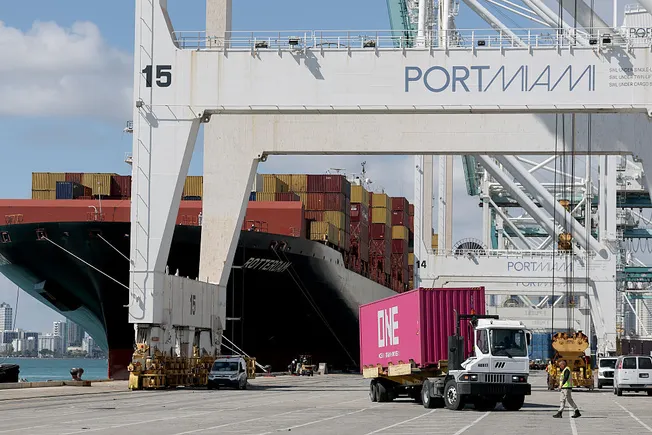
For many business executives, tariffs have become a normalized operational consideration.
Even after the U.S. Supreme Court's landmark ruling on the Trump administration's tariff regime, these tariffs and the legal uncertainty surrounding them remain a top concern for many business leaders. This concern is so high that tariffs have now become a routine component of scenario planning.
This conclusion comes from a recent survey released by PwC last week. In a March survey of 633 U.S. executives, the Big Four accounting firm disclosed that 86% of respondents are treating tariffs as a "permanent planning assumption" and are "incorporating them into operating models rather than waiting for policy relief." Respondents included chief financial officers, chief executive officers, chief operating officers, chief technology officers, and other senior managers.
Tariff policy ranked high among risks cited by surveyed executives, with 65% viewing it as a moderate or severe risk. Meanwhile, 69% of respondents more broadly listed a "complex regulatory environment" as a moderate or severe risk.
The report also showed that a majority of respondents (87%) expect "U.S. fiscal pressures will raise corporate tax burdens." This expectation holds even though the One Big Beautiful Bill Act includes multiple corporate tax breaks—legislation projected to provide $1.8 trillion in net tax cuts for businesses by 2034.
Nevertheless, Michelle Horton, PwC's U.S. health industries risk and regulatory leader, noted in an email to CFO.com that the survey results indicate "executives are planning for long-term fiscal pressures, not short-term political cycles."
"Many view volatility as structural and are incorporating scenarios of higher tax burdens into their planning," she said. "Uncertainty about the tax outlook is rising again, including reconciliation bills that may include tax adjustments, so companies are adopting conservative planning rather than assuming a low-tax environment will persist."
Taxes, tariffs, and regulatory changes are not the only areas of concern. Cyberattack threats also weigh on many executives' minds, with 68% of respondents listing them as a moderate or severe risk. Geopolitical uncertainty and the ability to access "reliable and cost-effective energy sources" were each cited as major risks by about two-thirds of respondents.
Additionally, the report said 65% of respondents indicated they lack the data needed to assess "geopolitical risks and opportunities."
Although many leaders in the U.S. corporate world are making significant bets on the promise of artificial intelligence, the ultimate value of this technology remains unclear. For example, PwC's report found that 38% of respondents are increasing investments in technology and AI. Horton said the survey shows executives are increasingly using AI to "analyze data and support real-time decision-making, so we believe AI is becoming core." However, the report noted that 81% of respondents still say they "need at least another year to see substantial returns beyond efficiency gains."