
Analysis of the Importance of CFO-CEO Collaboration in Minor League Baseball Clubs
This article analyzes the key role of the CFO-CEO relationship in management through the perspectives of CFO Mike Zielenski and CEO Alan Miller of organizations such as the Portland Pickles and the Lake County Captains.
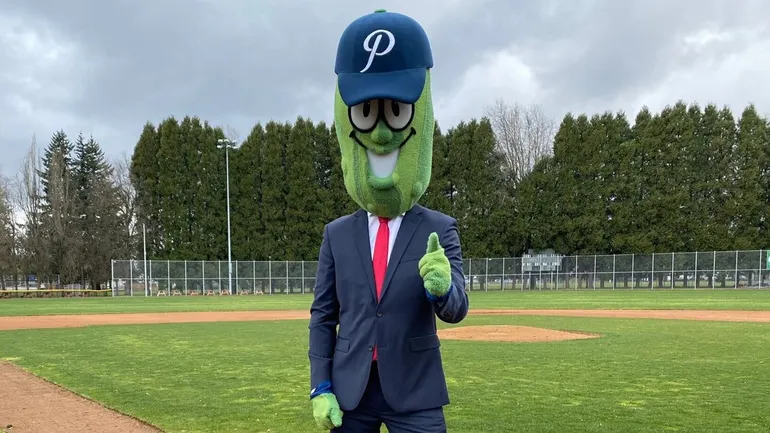
This series of articles focuses on the importance of the collaborative relationship between the Chief Financial Officer (CFO) and the Chief Executive Officer (CEO), and is based onMike ZielenskiandAlan Miller's hands-on practice. The two serve as CFO and CEO of multiple organizations, including minor league baseball teams—the Portland Pickles and the Lake County Captains—as well as the marketing agency COlliDE, the sports and entertainment company 1845 Management, and the lifestyle athletic apparel brand Official League.
In the field of professional sports management, the seamless coordination between the CFO and CEO often determines the financial health and strategic direction of a club's operations. As CFO, Zielenski is responsible for budgeting, cost control, and financial risk warnings; while Miller, as CEO, leads strategic decisions, market expansion, and stakeholder communication. Their long-term collaboration across multiple cross-industry organizations provides a unique sample for observing this relationship.
Taking the Portland Pickles as an example, the team belongs to the West Coast League, a college summer league, and its operating model relies heavily on ticket revenue, sponsorships, and community events. The CFO needs to accurately forecast cash flow to ensure that pre-season investments do not strain the capital chain; the CEO, meanwhile, must balance competitive performance with commercial development, avoiding short-term marketing activities that could harm long-term brand value. Zielenski points out that financial data must be translated into business language that the CEO can act on, rather than remaining at the level of reports.
In the case of the Lake County Captains (part of the Minor League Baseball system, Class A level), the two face a more complex revenue structure, including player development contracts, local media rights, and licensed merchandise sales. Miller emphasizes that the CEO's intuitive decisions need quantitative support from the CFO, such as evaluating the return period for investments in new stadium facilities or analyzing the impact of fan consumption behavior on ticket pricing strategies. This two-way dependence is especially evident during the off-season, when the team needs to use financial models to plan player trades and marketing activities during the break.
It is worth noting that their collaboration is not limited to the baseball field. In the marketing agency COlliDE and the sports and entertainment company 1845 Management, the role boundaries between CFO and CEO are more blurred. Zielenski states that when the organization is smaller, the CFO needs to participate in client negotiations and creative evaluations, while the CEO must also understand tax compliance and audit requirements. This overlap of responsibilities requires both parties to build a high level of trust and engage in regular informal communication.
For the lifestyle brand Official League, the CFO-CEO relationship is reflected in inventory management and brand licensing decisions. Miller mentions that CEOs tend to quickly launch co-branded products to capitalize on trends, but the CFO must assess the risk of slow-moving inventory and supply chain costs. The two synchronize data through weekly meetings and use rolling forecast models to adjust production plans, thereby striking a balance between creativity and financial discipline.
Subsequent articles in this series will delve into specific cases, including how to handle cash flow fluctuations during the minor league season, how to design incentive plans to align management goals, and how to allocate financial resources across a multi-organization structure. Both Zielenski and Miller emphasize that the CFO-CEO relationship is not a static division of labor, but rather a collaborative mechanism that requires continuous iteration, with its core lying in shared vision and mutual respect.